


At Vickies Mobile Tyres Ltd, we know that looking after your tyres is one of the most important things you can do to keep you, your passengers, and other road users safe. Here’s a quick guide to checking your tyres for common problems.
Checking Your Tyres for Safety – A Simple Guide
Your tyres work hard every single journey. They keep you safe, help your car grip the road, and even improve fuel efficiency when they’re in good condition. But because tyres wear gradually, it’s easy to miss signs that they might need attention.
At Vickies Mobile Tyres Ltd, we know that looking after your tyres is one of the most important things you can do to keep you, your passengers, and other road users safe. Here’s a quick guide to checking your tyres for common problems.
Tread Depth
Your tyre tread is the pattern of grooves that helps grip the road, especially in wet conditions.
- The UK legal minimum tread depth is 1.6mm across the central three-quarters of the tyre.
- However, we recommend replacing tyres when they’re down to 3mm, as performance drops sharply below this.
- Use a 20p coin test – insert a 20p into the tread. If you can see the outer rim of the coin, your tread may be too low.
Tyre Pressure
Tyres lose air naturally over time, and underinflated tyres can:
- Reduce fuel efficiency.
- Make your car harder to handle.
- Increase braking distances.
How to check:
- Find the correct pressure in your car’s handbook or inside the driver’s door frame.
- Check your tyres at least once a month and before long journeys.
- Don’t forget the spare!
Cracks and Bulges
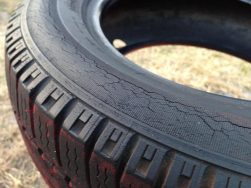
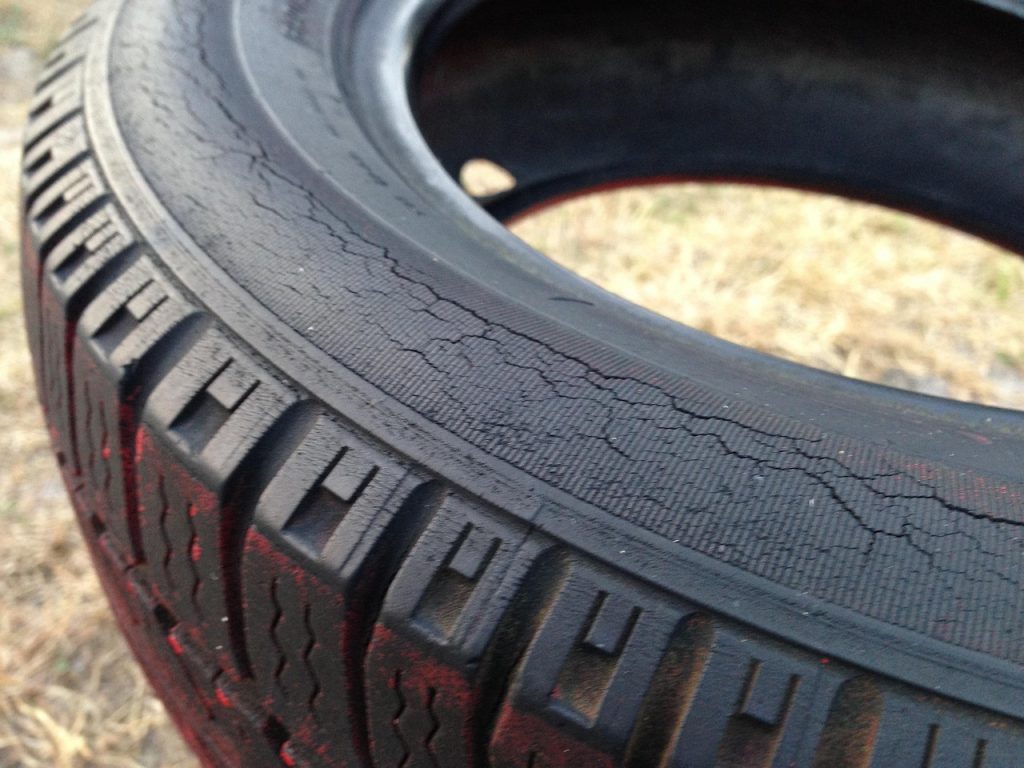
Rubber ages and can develop small cracks, especially around the sidewalls.
- Cracks may indicate the tyre is drying out and could fail under pressure.
- Bulges or blisters are often caused by impact damage (like hitting a pothole or kerb) and mean the tyre should be replaced immediately.
Uneven Wear
If one side of your tyre is wearing faster than the other, it could mean:
- Your wheels are out of alignment.
- Suspension components are worn.
- Your tyres aren’t inflated correctly.
Uneven wear not only shortens tyre life but also affects handling.
Bent or Damaged Wheels
It’s not just the tyres themselves – your wheels (rims) also need to be in good shape.
- A bent rim can cause vibrations, uneven tyre wear, or even loss of air.
- Check after hitting potholes, speed bumps, or kerbs.
Quick Tyre Safety Checklist
- Tread depth above 3mm
- Tyres inflated to correct pressure
- No cracks or bulges
- No uneven wear
- Wheels in good condition
Need Help Checking Your Tyres?
If you’re unsure about the condition of your tyres, let us do the hard work for you. At Vickies Mobile Tyres Ltd, we can come to your home, workplace, or even roadside to check, repair, or replace tyres and wheels.
Get in touch for peace of mind on every journey.
Leave a Reply